Blog
Explore AI writing tips, creative inspiration, and the latest from Muses.

How to Write a Novel Outline with AI: Talk the Story Through First, Then Grow Your Chapter Beats
Staring at a blank outline is exhausting, and a real novel's beat sheet can easily run 30,000 to 60,000 words. Here is how to talk your plot straight with Muses, file clean outlines into Materials, and adjust chapters without rewriting the rest.

Why AI Forgets Your Plot by Chapter 10 (And How to Manage Long-Form Context)
Through Chapter 5, the AI catches every character quirk; past Chapter 10, it starts dropping backstory and bringing written-off characters back into the room. Let's talk about why endless chat threads lose the plot—and how to keep your lore, earlier chapters, and tonight's scene neatly in place.
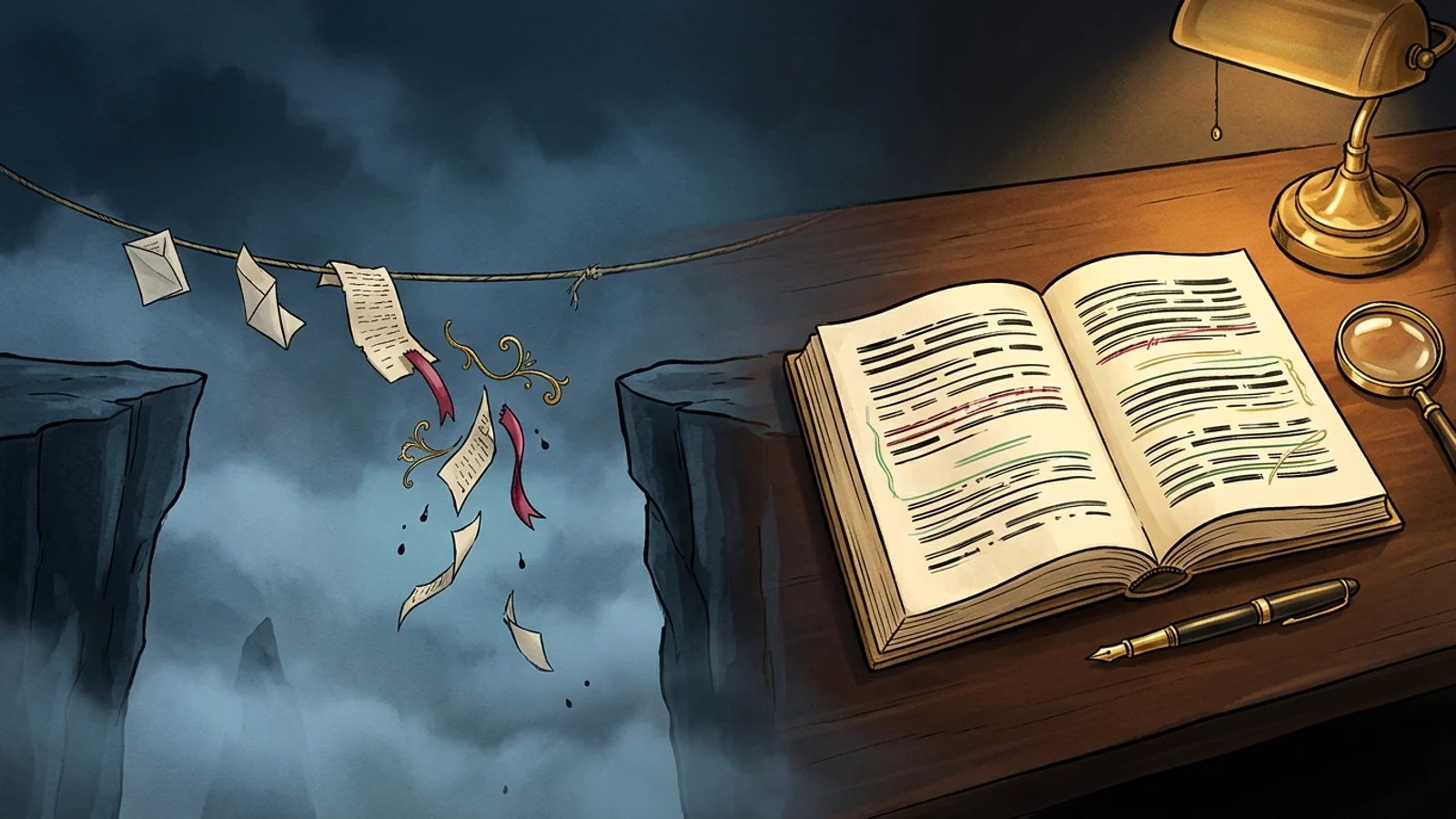
The Copy-Paste Tax: What Writing in ChatGPT and Claude Actually Costs
Asking AI to tighten a passage in a browser chat tab and pasting it back into your editor looks like two quick shortcuts. What actually wears you down is the shattered formatting, the backstory you re-paste from scratch, and the quiet dread of not seeing which lines got silently cut.

How to Write a Book With AI: From First Spark to Finished Manuscript Without Losing Your Voice
Getting AI to spit out eighty thousand words is easy; opening the finished manuscript and still hearing your own voice on every page is the real craft. Walking from your earliest premise through outlining, drafting, revision, and publishing, let's look at which chores to hand off and which calls have to stay in your hands.

Best AI Tools for Book Writing (2026): Match the Tool to the Stage, Keep the Sentences Yours
Finishing a book means crossing very different stretches—premise, story bible, first draft, structural revision, and final copyedits—and no single tool nails all of them. Here is how four categories of tools actually fit a writer's day, without washing out your voice.

Best Claude Model for Writing in 2026: Opus 5.5 Leads, Though the Top Three Remain Neck and Neck
On style-controlled creative writing, Claude Opus 5.5 at high effort posts the highest Claude score, while its confidence interval still overlaps Fable 5 and Opus 4.6—and strict revision and daily drafting point to different picks altogether. Here is how prose quality, instruction following, tokenizers, and real session costs line up.
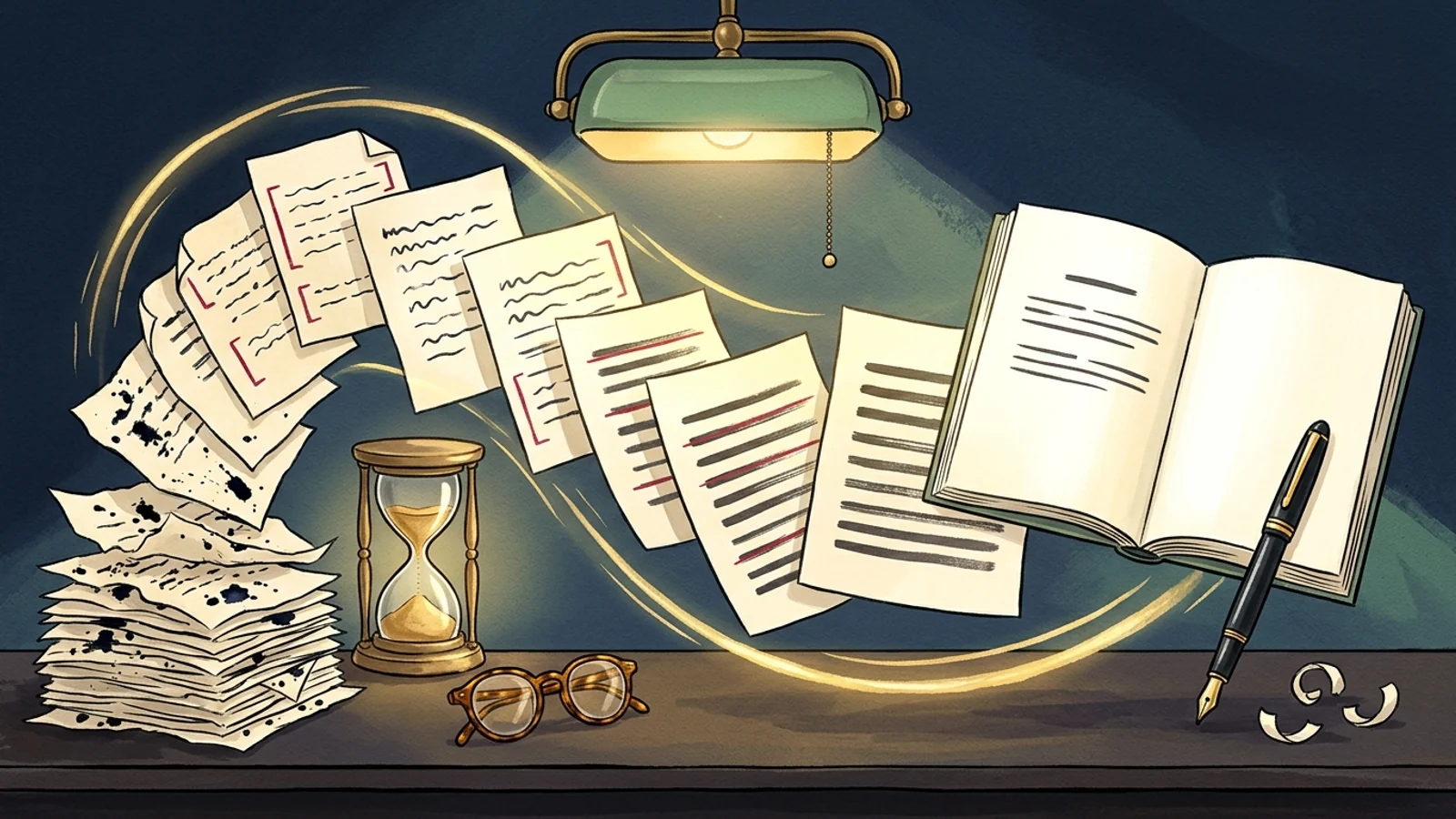
How to Get Better at Writing: Stop Just Piling Up Word Counts and Close the Loop Between Drafting and Revision
Why can you write for two years straight and still see loose sentences and sagging middles when you reread old drafts? Walk through the four-step cycle—ugly first draft, cooling distance, concrete feedback, and top-down layered revision—plus a real three-cut rewrite from 73 words down to 21.

How to Overcome Writer's Block: Spot Which Stall You're Actually In, Then Get Words Moving Again
Staring down a blinking cursor for an hour rarely means your talent ran out. Separate the four stalls that wear the same blank-screen mask—perfectionism, option overload, an empty well, or a hidden plot knot—and use low-friction habits that pry the first line loose.